How to Choose Ceramic Shapes for the Way a Family Really Eats
A useful tableware set begins with meals, portions and storage habits, not with the number of pieces printed on a box.
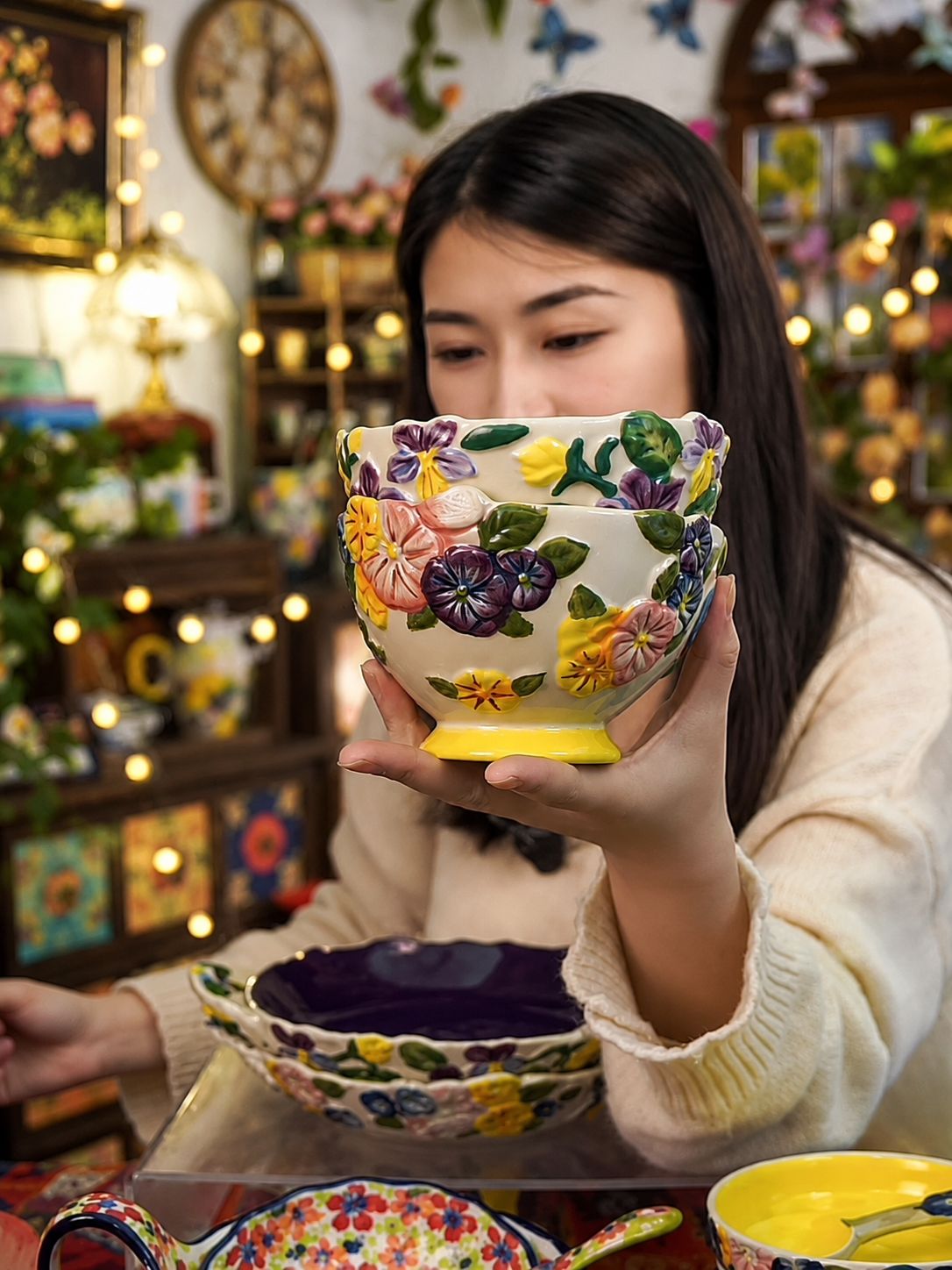
Start with the food that appears most often
A household that serves rice, soup and several shared dishes needs a different combination from one that usually plates individual meals. The most useful starting point is a week of real eating, not an idealized table set.
Notice which bowls are reached for first, which plates feel crowded and which serving pieces remain unused. These observations reveal more than a fixed rule about how many items a family should own.
Form changes how a piece works
A wider shallow bowl makes ingredients visible and is easy to combine with many meals. A deeper bowl controls liquid and keeps portions gathered. Plates with a gentle rim help contain sauces, while broad flat areas give food more visual space.
Handles, foot rings and rim profiles also affect carrying, stacking and washing. A beautiful form becomes more valuable when it works comfortably with the hands, cupboards and dishwasher habits of the household.
Build a collection gradually
Instead of beginning with a large matched set, many homes benefit from a small core: everyday bowls, versatile plates and one or two shared serving forms. Additional pieces can follow when a real need becomes clear.
HongDian approaches tableware as a living collection. Pieces may coordinate through color, pattern or proportion without requiring every object on the table to be identical.